

How Much Down Payment Do You Actually Need to Buy a House?

September 5, 2026 · 4 minute read
The big down payment myth keeps more good buyers on the sidelines than high rates ever have. Here's how down payment requirements actually work, program by program.
Somewhere along the way, everyone got told you need a huge down payment to buy a house. It's not true, and it might be the single biggest myth keeping good buyers renting longer than they need to.
I talk to people almost every week who assume they're years away from buying because they haven't saved up a huge pile of cash. Then we run their actual numbers and it turns out they could buy now. Let's clear this up.
Where the big down payment idea actually comes from
The number most people have in their head isn't a rule to buy a house. It's roughly the point where a conventional loan no longer needs private mortgage insurance (PMI). That's it. It's a way to lower your monthly payment, not a requirement to get a loan in the first place. The CFPB explains how PMI works, linked in the sources below.
PMI also isn't permanent. On most conventional loans it drops off once you've built up enough equity. It's a cost you can plan around, not a wall you have to climb over before you're allowed to buy.
How down payments work, program by program
Down payment requirements vary by loan program, and each program's rules are set by the agency or investor behind it, not by us. Here's the general picture, based on the loan programs we work with every day:
VA loans: VA loans may not require a down payment for eligible veterans and service members. This is one of the best benefits out there and it's still underused. The Department of Veterans Affairs publishes the rules.
USDA loans: USDA loans may not require a down payment for qualifying buyers in eligible rural and suburban areas. A lot of buyers assume USDA means "middle of nowhere." It often means a normal neighborhood just outside a city, and it's worth checking before you rule it out. USDA Rural Development sets the program and the eligibility map.
FHA loans: FHA loans are designed for buyers with smaller down payments, with more flexibility on credit than a lot of buyers expect. The minimum depends on your credit profile under HUD's guidelines. This is a great fit if your credit has a few dings or your savings are still building.
Conventional loans: some conventional programs are built for buyers with smaller down payments too. This is the loan most people picture when they think "mortgage," and it often doesn't require anywhere near what people assume. Fannie Mae and Freddie Mac set those guidelines.
Jumbo loans: these cover loan amounts above the conventional limits, so lenders typically ask for more down. Still very doable, just a different conversation.
On top of all that, there are down payment assistance programs available in certain areas and situations that can help cover part of your down payment or closing costs. Not every buyer qualifies, but it's always worth asking.
So why does everyone still think you need so much
Partly habit. Partly older advice that never got updated. And partly because a bigger down payment does mean a lower payment and no PMI, so it gets repeated as "the right way" to buy instead of "one way" to buy.
Here's the way I'd encourage you to think about it instead. Every month you wait to save up a bigger down payment is another month of rent that builds zero equity for you. Sometimes buying sooner with a smaller down payment puts you ahead, even after you factor in PMI.
The real question isn't the down payment
The down payment is one piece of a bigger picture that includes your credit, your income, and which loan program actually fits your situation. Two buyers with the exact same savings can end up in very different loans, and both can be the right call. Your Loan Estimate will show the actual terms for your loan.
This is really the whole reason to talk to someone before you assume you're not ready. Run your actual numbers against actual programs, and you'll usually find you have more options than you thought.
If you've been putting off buying because you think you need a mountain of cash saved up first, let's just look at your specific situation together. It costs nothing to find out where you actually stand, and it might be sooner than you think.
Related loan program
Easier to Qualify For →
A lower credit score and a smaller down payment are OK. A common choice for first-time buyers.
Written by a real loan officer
Austin Frangoules
About Austin and their licenses →Have a question about your own situation? That's the whole job.
How we write and review our content
Talk to a Loan OfficerSources
- VA: VA home loans
- HUD: FHA loans for homebuyers
- USDA: Single Family Housing Guaranteed Loan Program
- CFPB: Conventional loans
- CFPB: What is private mortgage insurance?
- CFPB: Exploring your loan choices
General information, not advice for your specific situation. Program rules come from the agencies above and from each lender, and they change. A licensed loan officer confirms what applies to you.

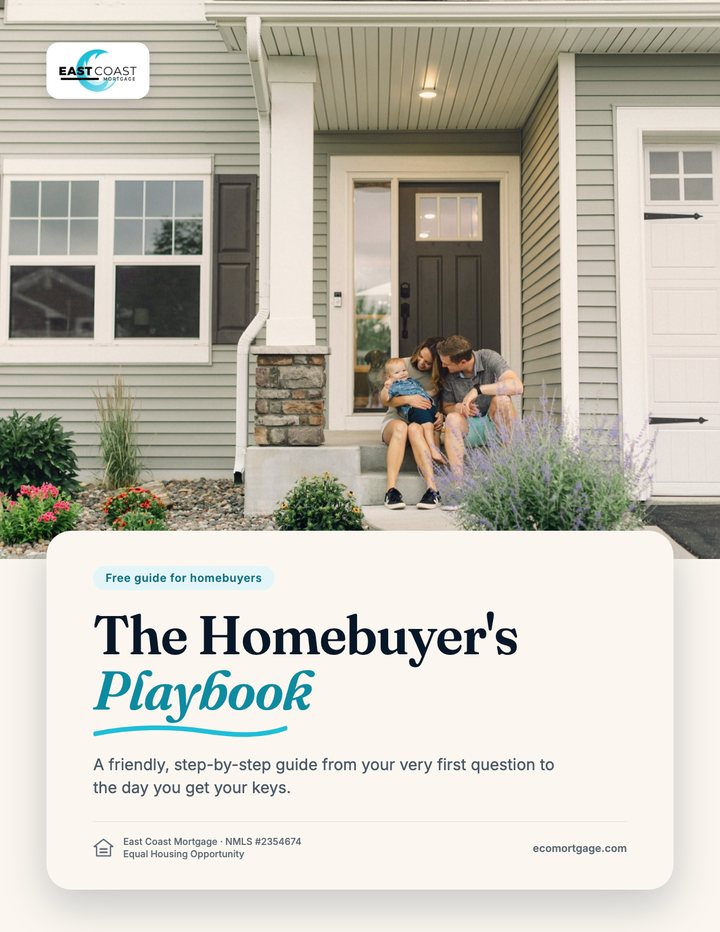
Free guide · homebuyers
The Homebuyer's Playbook
From pre-approval to closing day, in plain English. Instant download, no cost.
Ready when you are
Let's find your yes.
Two quick questions, then a real, licensed loan officer follows up. No obligation, no spam.
NMLS #2354674 · Equal Housing Opportunity · Not a commitment to lend