
USDA Loans: What "Eligible Rural or Suburban" Actually Means

October 12, 2026 · 3 minute read
USDA loans may not require a down payment, but most people rule themselves out before they even check the map. Here's what the program actually covers and who tends to qualify.
I had a client last year who apologized for even asking about a USDA loan. She said, "I know we're not really rural, I just saw it online." Her house was twenty minutes outside a mid-size city, surrounded by subdivisions. It still qualified. That happens more than people expect.
USDA loans get a bad rap because of the name. People hear "rural development" and picture farmland, gravel roads, no neighbors for miles. The actual eligibility map looks nothing like that. A lot of growing suburbs and small towns qualify, especially areas just outside bigger metro centers in Virginia, North Carolina, Ohio, Michigan, and West Virginia.
How "eligible area" actually gets decided
USDA eligibility is based on population and location, not on whether a town feels rural to you. The U.S. Department of Agriculture maintains a property eligibility map, and it gets updated periodically as areas grow. Some places that used to qualify eventually get reclassified once population passes a certain threshold, which is exactly why it's worth checking the current map instead of going off what a friend told you five years ago.
The only way to know for sure is to check the specific address, not the general area. I've seen two houses on the same street fall on different sides of an eligibility boundary. Guessing based on zip code alone isn't reliable.
Income limits, and why people assume they're disqualified
USDA loans do have income limits, and they're set based on household income and the county you're buying in. This is the second place people talk themselves out before checking. The limits are usually higher than people assume, and they're based on the whole household's income relative to the area, not a flat national number.
A lot of buyers hear "income limit" and picture something designed only for very low income borrowers. That's not quite right either. These loans are built for moderate-income buyers in eligible areas, which covers a wider range of households than most people guess.
What makes USDA worth a look
The appeal is pretty simple. USDA loans may not require a down payment for eligible borrowers in eligible areas, and mortgage insurance costs tend to run lower than FHA. If you're buying somewhere that qualifies and your income fits the limit for that county, it's one of the more cost-effective paths into a house, especially if you don't have much saved for a down payment.
The tradeoff is that USDA is specific. It has to be an eligible property in an eligible location, and it's typically for a primary residence, not an investment property or a second home. It's not a fit for every buyer, but when it fits, it fits well.
How to actually find out if you qualify
The fastest way to get a real answer is to send us the address you're looking at, or even a short list of a few you're considering, along with a rough sense of household income. We'll check it against the current map and the county limit and tell you straight whether USDA is realistic for that property. If it's not, we'll walk through FHA or conventional options that might fit better anyway.
If you want to poke around first, our affordability calculator at ecomortgage.com/calculators can give you a starting point, and our Buyer FAQ at ecomortgage.com/faq covers some of the common USDA questions. But don't rule yourself out based on a guess. Call us at (757) 493-1582 and let's actually check the map before you assume the answer is no.
Written by a real loan officer
Lilli Driscoll, NMLS #2485560
About Lilli and their licenses →Have a question about your own situation? That's the whole job.
How we write and review our content
Talk to a Loan OfficerSources
General information, not advice for your specific situation. Program rules come from the agencies above and from each lender, and they change. A licensed loan officer confirms what applies to you.

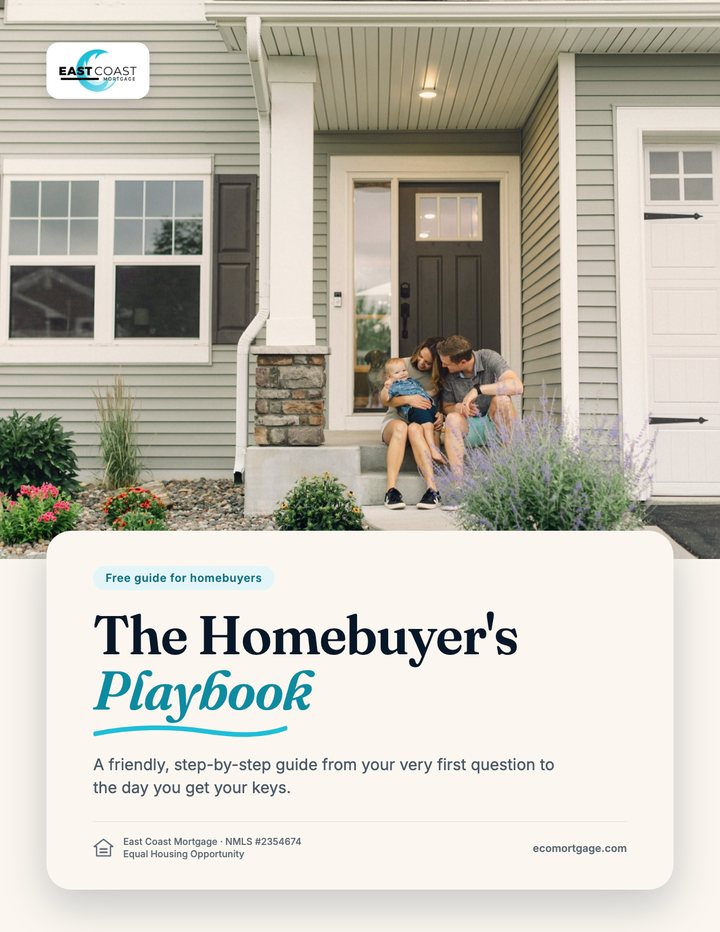
Free guide · homebuyers
The Homebuyer's Playbook
From pre-approval to closing day, in plain English. Instant download, no cost.
Ready when you are
Let's find your yes.
Two quick questions, then a real, licensed loan officer follows up. No obligation, no spam.
NMLS #2354674 · Equal Housing Opportunity · Not a commitment to lend